

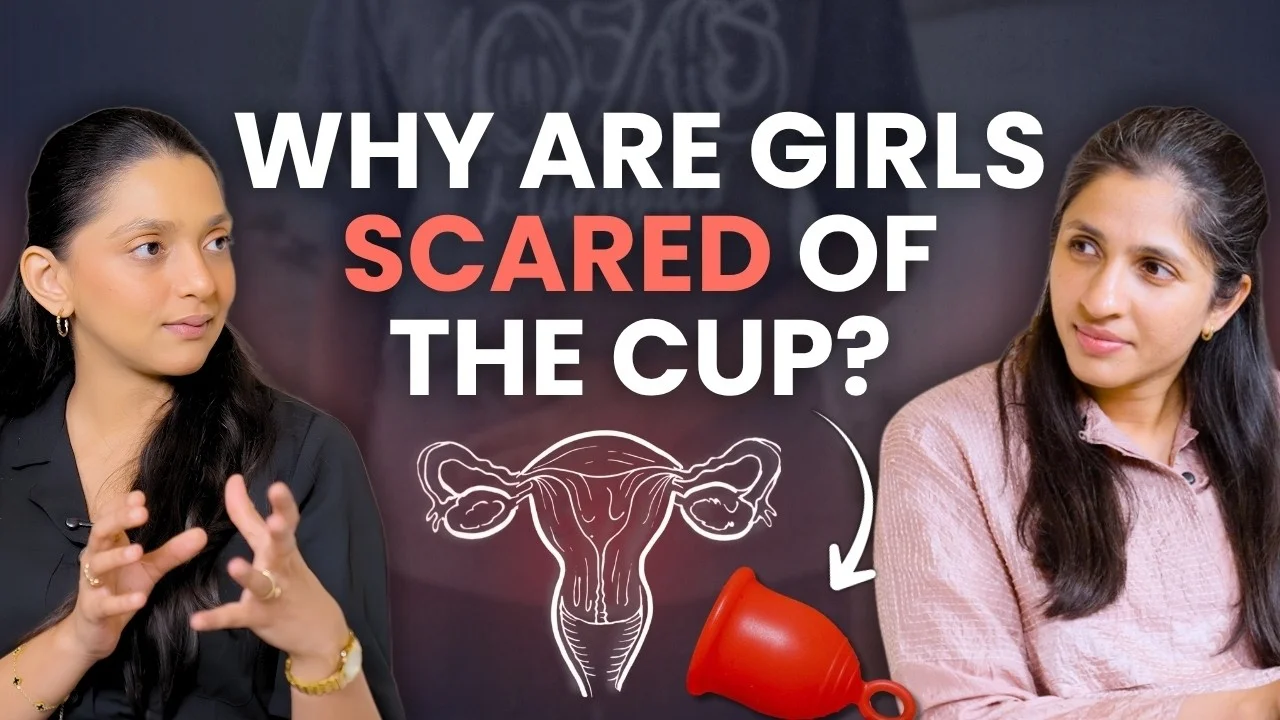
A familiar problem, examined properly
Periods are common; clear information about them is not. Many women grow up piecing together menstrual health from whispered advice, packaging instructions and trial and error. Ira Guha saw that gap not only as a health problem but as a design problem. If a product is intended to be used inside the body, the experience must begin long before purchase, with education, reassurance and language that respects the user.
Asan's menstrual cup emerged from that attention to detail. The company's work sits at the meeting point of product engineering and cultural behaviour: how a cup is inserted and removed, what makes a first-time user feel safe, why myths persist, and why a more sustainable product will not be adopted simply because its environmental case is strong.
Designing for the questions people avoid
In her FoundHers episode, Ira answers questions many people feel awkward asking aloud. Can teenagers use menstrual cups? How should someone think about pain, PCOD or endometriosis? What does safe use actually involve? The clarity matters because silence creates friction. When information is vague, users carry the cognitive burden and often return to the product they already know.
For founders, this is a powerful product lesson. The real competitor may not be another brand; it may be discomfort, habit or fear of getting something wrong. Good design reduces that fear. So does careful onboarding, plain language, responsive support and a willingness to explain the basics without making the customer feel basic.
Why adoption is never one-size-fits-all
Ira's observations about adoption complicate easy assumptions about urban and rural consumers. Access, local programmes, trusted educators and the cost of recurring period products can shape behaviour in unexpected ways. A founder entering a health category cannot rely on a single idea of the "modern" customer. Context changes what convenience, aspiration and value mean.
That makes distribution part of the mission. Reaching users is not only about shelf space or digital advertising. It can require partnerships, demonstrations and community-led education. The brand must earn the right to participate in a deeply personal routine.
Building trust at the pace it deserves
Health brands are often pressured to grow with the same speed and tactics as fashion or food. But intimate products carry different stakes. An exaggerated promise or careless answer can undo months of trust. Ira's journey shows the advantage of letting evidence, empathy and product quality do the persuasive work.
The broader shift she is helping create is cultural. Period care should not be a source of shame, confusion or unnecessary waste. It should be a category where women can compare options, understand their bodies and choose without being patronised. That future is not built by a product alone. It is built each time a founder replaces euphemism with useful information, and makes an uncomfortable conversation feel completely normal.
This is also why the founder's voice matters. Ira is not selling certainty where individual bodies and medical needs differ. She is creating a more informed starting point and encouraging people to ask better questions of products and professionals. For women building sensitive categories, that balance is instructive: communicate confidently, acknowledge limits and let care shape the business model. The strongest health brands do not make users dependent on the brand's authority. They help users feel more capable of understanding their own choices.