
Crowded does not mean complete
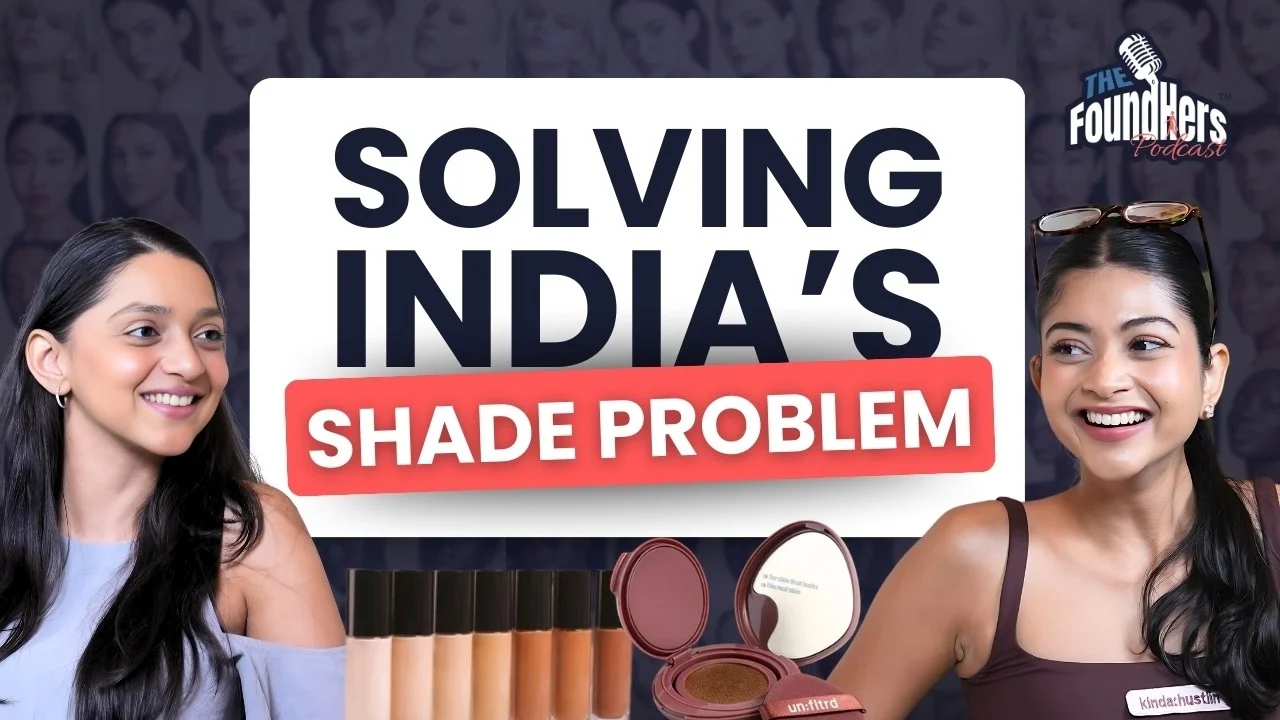
Beauty shelves are full, but many Indian customers still struggle to find products that understand their undertones, routines and expectations. Ghazal Gupta entered that tension with un:fltrd, a community-led brand designed for Indian skin tones. Her opportunity was not based on pretending the category was empty. It came from noticing where abundance still failed to feel personal.
That distinction matters for any founder looking at a competitive market. "There are already too many brands" can be true at the category level and false at the customer level. The sharper question is whether a specific user still feels unseen, underserved or forced to compromise. Ghazal's work begins there.
Customer behaviour over founder assumptions
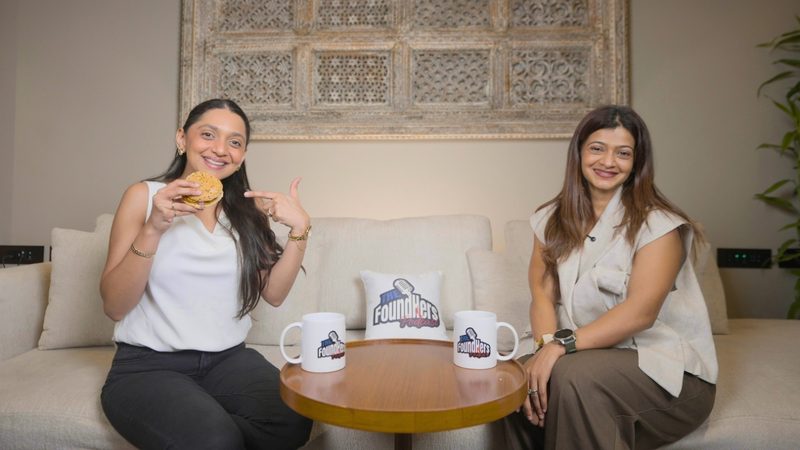
Her FoundHers conversation moves quickly past beauty's glossy surface into market research, sampling and conversion. Samples can create interest, but founders still need to understand who returns, what they buy and why. Expos can generate conversations, but not every conversation is traction. The discipline is in separating encouraging signals from repeatable behaviour.
Ghazal also speaks about discovering unexpected audience segments, including mothers. Customers rarely arrange themselves exactly as a pitch deck predicts. The founder's advantage is the ability to listen without defending the first hypothesis. That can influence formulation, communication, pricing and where a brand chooses to show up.
The unglamorous work is the brand
Early-stage D2C businesses are built through vendor calls, packaging decisions, delayed timelines and quality problems that customers may never see. Ghazal is candid about those realities, including the cost of mistakes. A beautiful campaign cannot compensate for unreliable production; a strong formulation still needs inventory, cash flow and a supply chain that can keep its promise.
For young founders, this honesty is valuable. Competence is not knowing everything before starting. It is building the habit of asking precise questions, documenting what went wrong and returning to the vendor table with better terms and clearer standards.
Specificity creates room
un:fltrd's positioning around Indian skin tones is not merely a tagline. It gives the company a filter for product development and community. Specificity helps customers understand why the brand exists; it also helps a small team decide what not to make. In a category that rewards constant launches, that restraint can protect both focus and cash.
Ghazal's story offers a grounded version of founder confidence. It is not the belief that the market will make space because you arrived. It is the willingness to earn space by knowing a customer deeply, learning the technical side and staying present through mistakes. The result is a brand shaped less by the fantasy of beauty entrepreneurship and more by the people it intends to serve.
That kind of confidence is especially useful in a trend-led category. Trends can create a fast spike in attention, but a clear point of view gives customers a reason to return after the feed moves on. Ghazal's emphasis on shade, sampling and community creates a richer source of product ideas than imitation. For an early founder, the message is reassuring: you do not have to out-launch the largest company in the market. You do have to understand a meaningful problem with more care than the market has shown it so far.