

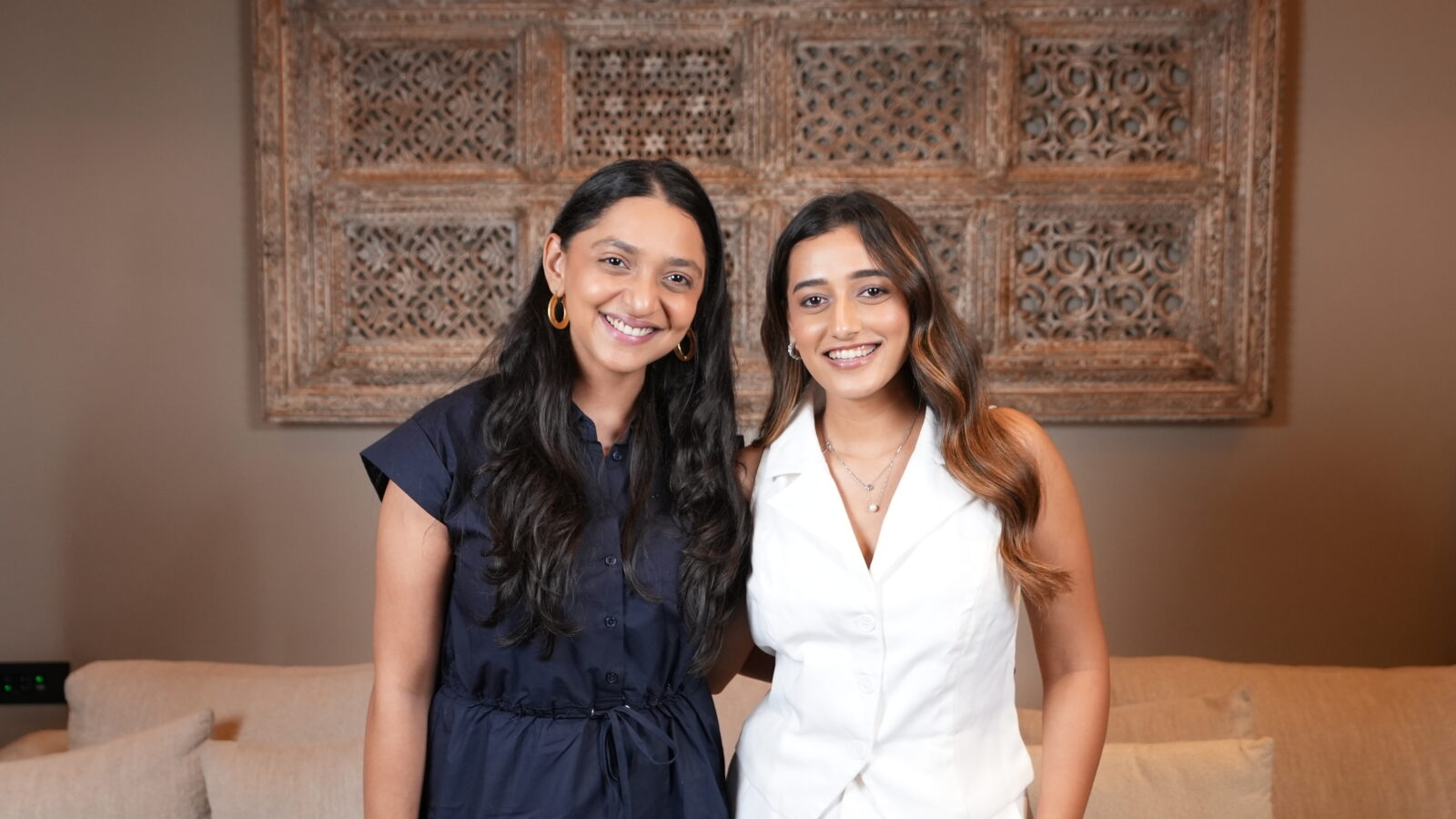

Aashi Adani has watched the entire influencer marketing industry rebuild itself around her, more than once. She started writing fashion blogs in college, moved to Instagram photos when blogs stopped getting read, switched to carousels and videos when photos stopped getting seen, and eventually built a YouTube channel with over 300K followers once long-form content took over. On this episode of The FoundHers Podcast, she walks through what that decade-plus in influencer marketing actually looked like, and what it teaches anyone trying to build something similar today.
Who Is Aashi Adani
Aashi Adani is a Mumbai-based content creator and entrepreneur with over 11 years in the industry and a following that spans YouTube and Instagram. She has collaborated with brands including Garnier, Lakmé, MAC, Myntra, and Nykaa, and has represented India at an international brand launch event. She is currently building her own venture, Intreccio, alongside her content work.
How A Career In Content Creation Actually Gets Built
India now has an estimated 2 to 2.5 million monetized content creators, according to a 2025 Boston Consulting Group report cited by India’s Press Information Bureau on the country’s creator economy. But only 8 to 10% of them monetize effectively. That gap between “posting content” and “running a business” is exactly what Aashi’s 11-year journey maps out in practice, and it’s also why so many people asking how to become a content creator today skip past the part that actually matters: staying relevant long enough to build something real.
Her path moved through nearly every format shift the industry has seen: blogs, photos, carousels, long-form YouTube, and now Shorts and Reels. She credits staying in the game to one trait more than any strategy: getting bored easily enough to keep adapting, rather than clinging to whichever format worked last year.
What The Data Says About Influencer Marketing And Pricing Brand Deals
There is no standard rate card for content creators in India, and the Advertising Standards Council of India (ASCI) guidelines, which govern how influencers disclose paid partnerships, don’t set pricing either. That leaves creators to figure out their own numbers, usually through trial, error, and comparing notes with peers at a similar following size. It’s a big part of why influencer marketing in India still runs on individual negotiation rather than any published standard, and why there’s no single answer to what content creator salary or per-post rate actually looks like at any given follower count.
Aashi’s method: instead of naming her price first, she asks the brand for their budget. “Eighty percent of the time, it was more than what I would have quoted,” she says on the episode. It’s a simple reframe. Naming a number first means guessing in the dark and often underpricing out of fear of losing the deal. Asking first turns that guesswork into information before either side commits.
Protecting Yourself When Brand Deals Go Wrong
Not every brand relationship resolves cleanly, and Aashi is candid about one that didn’t: a brand brought on 6 creators for a campaign, and the person managing payments left the country before anyone was paid. Aashi personally drafted a legal notice, and the group was eventually paid, months later.
Cases this extreme are rare, but payment delays and disputes are common enough that ASCI has spent the last few years formalizing disclosure and accountability standards for both brands and influencers in India. For any creator entering a paid collaboration, a written agreement covering payment timelines, deliverables, and usage rights remains the single strongest protection available, well before a dispute ever comes up.
When Creator Feedback Actually Changes A Brand
There’s a more encouraging story too. Aashi publicly called out Typsy Beauty for launching a contour shade that skipped a significant segment of Indian skin tones. Months later, she became the face of the brand’s relaunch: a lighter shade plus 2 additional inclusive shades, added permanently to the range, not as a limited-run gesture. It’s a real example of specific, public, good-faith feedback from a creator leading a brand to change its product line.
The Metric That Matters More Than Likes
Aashi stopped tracking likes and views a while back. The 2 numbers she checks for every piece of content now are shares and saves. Her reasoning: content gets saved when it’s useful enough that someone wants to return to it, and gets shared when it’s relatable or funny enough that someone wants a friend to see it too. Everything else, in her view, is noise that doesn’t predict whether content actually works.
For any brand or creator trying to evaluate content performance beyond vanity metrics, this is a practical, low-cost lens to apply immediately.
Building A Career That Outlasts The Algorithm
India’s creator economy is projected to influence over $1 trillion in consumer spending by 2030, per BCG, up from roughly $350 to $400 billion today. That scale makes content creation look like a stable career path from the outside, and it’s exactly why so many people search for how to earn money from Instagram assuming it’s a simple, repeatable formula.
Aashi’s experience is a useful correction: income in this industry runs closer to freelance work than a salaried job, with real variation month to month, especially in the early years.
Her approach going forward mirrors what a lot of long-term creators eventually land on: treat content income as variable, build savings and investments as a buffer, and diversify beyond brand deals over time. That’s part of why she’s building Intreccio alongside her content work, rather than treating content creation as the only asset she’s building.
Consistency plays a role too. She posts a YouTube video every Saturday at 6:30 PM, and her audience holds her close enough to notice within minutes if she’s late. That kind of reliability, she says, is what turns casual viewers into a following that sticks around across format shifts and algorithm changes, not any single viral moment.
Watch the full episode of The FoundHers Podcast with Aashi Adani here, and follow her ongoing work at @aashiadani on Instagram.
For more real, unfiltered conversations with women building businesses on their own terms, follow @thefoundhers_ on Instagram.
Frequently Asked Questions
1. How much do content creators in India actually earn?
There’s no fixed number, and earnings vary widely based on niche, following size, and how consistently a creator lands brand deals. According to a 2025 BCG report, India has 2 to 2.5 million monetized creators, but only 8 to 10% of them monetize effectively, meaning most creators earn inconsistently, especially in their first few years.
2. How do content creators decide what to charge brands for a collaboration?
There is no standardized rate card for influencer or content creator pricing in India. Most creators set their rates based on engagement, niche relevance, and comparison with peers at a similar following size, refining their pricing through trial and error over time.
3. What advice does Aashi Adani give new content creators about pricing brand deals?
Aashi Adani recommends asking a brand for their budget before naming your own price. On The FoundHers Podcast, she shared that doing this resulted in offers 80% higher than what she would have originally quoted, since creators tend to underprice themselves out of fear of losing the deal.
4. What happened when Aashi Adani publicly criticized Typsy Beauty’s contour range?
Aashi Adani called out Typsy Beauty for launching a contour shade that excluded a significant segment of Indian skin tones. Months later, she became the face of the brand’s relaunch, which added a lighter shade and 2 additional inclusive shades as a permanent part of the range.
5. What legal protections exist for content creators facing brand payment disputes in India?
The Advertising Standards Council of India (ASCI) has introduced guidelines requiring clear disclosure and accountability from both brands and influencers in paid partnerships. Beyond regulatory guidelines, a written contract specifying payment timelines, deliverables, and usage rights before work begins is a creator’s most direct protection against payment disputes.